


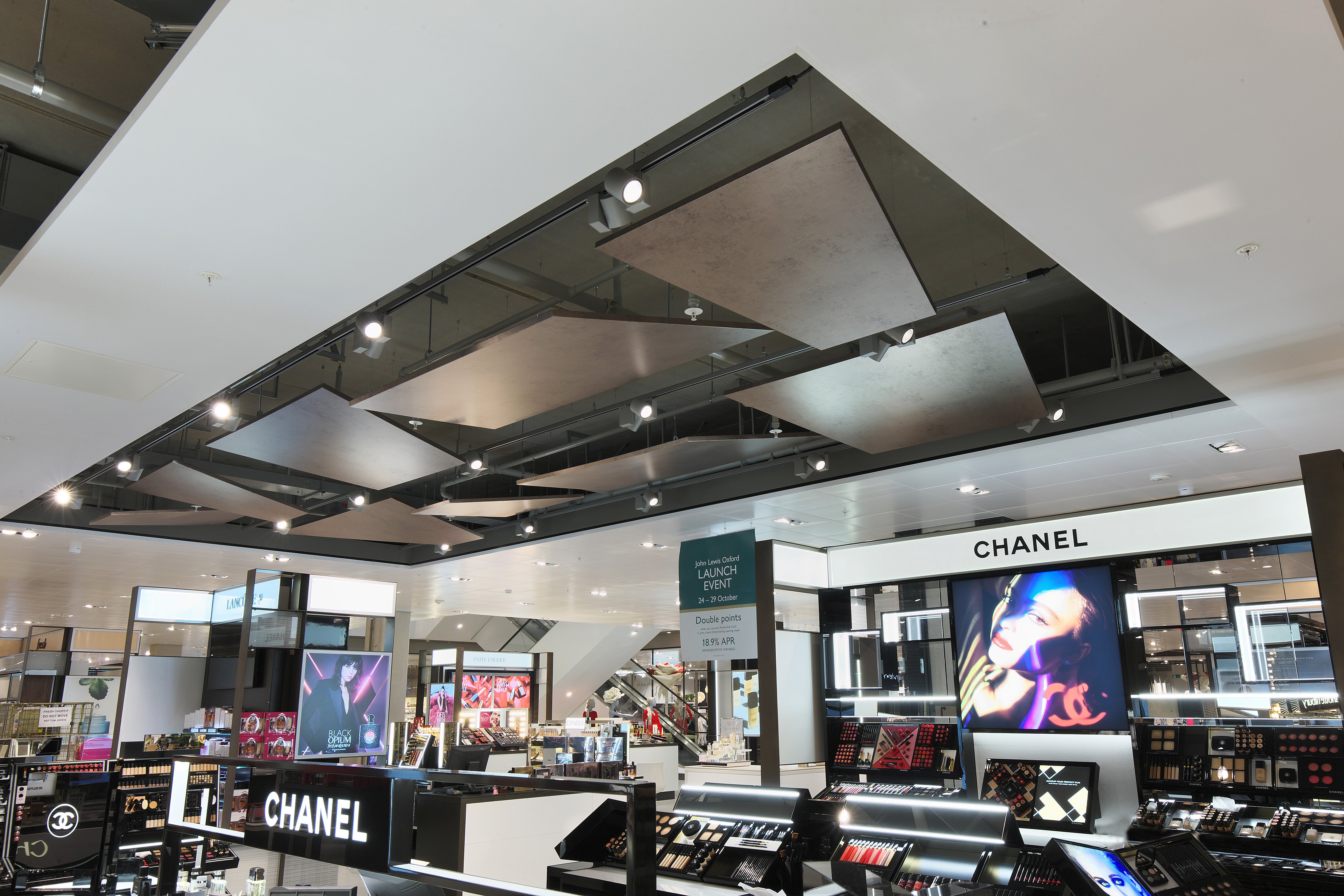
Technology is rapidly reshaping how customers explore and experience beauty products in-store. From virtual try-ons to motion-activated content, the right digital features can turn a standard cosmetic display into an interactive, personalised moment that captures attention and drives engagement.
This article introduces the technologies that can be integrated within your retail cosmetic displays and outlines the practical benefits, and potential challenges brands should consider.

Reimagining Customer Engagement With Interactive Retail Cosmetic Displays
Interactive retail cosmetic displays are allowing brands to connect with shoppers in real time. Touch-enabled screens, motion-activated content, and dynamic content updates can guide users through product ranges, educate them on ingredients, or promote seasonal campaigns. For example, several global cosmetic brands now use interactive touchscreens to let customers browse entire product catalogues and access tailored skincare advice in-store.
The advantages are clear: an interactive experience increases dwell time, encourages product exploration, and provides a memorable, shareable experience for social media. When engineered well, these systems enhance flow and create a seamless digital-physical experience. However, these systems require regular updates and maintenance, and if not intuitively designed, may overwhelm or frustrate users. Ensuring technical reliability and clean integration into premium retail environments is essential.
Enhancing Product Discovery Through Augmented Reality
Augmented reality (AR) mirrors and virtual try-on stations are redefining product discovery in cosmetics retail. Shoppers can instantly see how different shades or products look on their own skin without any physical contact. This not only enhances hygiene but also encourages experimentation with new products and shades, an approach adopted by leading beauty brands across flagship stores in the UK and Europe.
The main benefit is the ability to drive higher engagement and conversion, especially when integrated with mobile apps for a connected omnichannel experience. However, AR solutions can be costly to implement and require ongoing calibration to ensure accuracy. Clear guidance, staff training and well-engineered hardware integration are key to ensuring the experience feels premium rather than gimmicky.
Leveraging Smart Sensors For Personalised Experiences
Smart sensors embedded within retail cosmetic display units can track customer interactions, gather real-time data on footfall, and trigger targeted content based on user behaviour. For instance, proximity sensors can activate displays or lighting when a shopper approaches a specific product, creating a personalised experience. Some cosmetic retailers in high-footfall shopping centres have already adopted this technology to adapt messaging and recommend products based on dwell time or demographic.
While smart sensors improve personalisation and measurement, privacy concerns and regulatory compliance (such as GDPR) must be carefully managed. Sensor systems also need to blend seamlessly into the physical display, maintaining the aesthetic and premium finishes expected in cosmetic retail environments.
Boosting Brand Loyalty With Digital Loyalty Programmes
Integrating digital loyalty programmes directly into retail cosmetic displays bridges the gap between in-store and online engagement. Displays equipped with QR codes or NFC triggers can let customers sign up for exclusive offers, access digital receipts or earn loyalty points instantly, all while browsing. Major cosmetics chains have reported an uplift in repeat visits and customer retention by adopting integrated loyalty technology at the point of sale.
The advantages include streamlined data capture and a frictionless customer journey. However, brands must ensure the process remains fast and intuitive. Well-designed user flows and secure data handling are essential, particularly when collecting personal details in a retail environment.
Using Data Analytics To Optimise Retail Cosmetic Display Performance
Advanced analytics platforms can now integrate with retail cosmetic displays to provide actionable insights on performance, customer interaction, and sales conversion. By monitoring which products attract the most attention or which content drives engagement, brands can continuously refine their merchandising strategies. For example, high-profile beauty retailers use analytics dashboards to adjust display content in real time based on customer demographics and store location.
The benefit is a data-driven approach to maximising ROI and ensuring displays are always aligned with customer preferences and seasonal trends. However, successful implementation depends on reliable data collection and skilled analysis. Combining analytics with on-the-ground retail insight ensures decisions remain balanced and customer-led.
If you’re considering integrating technology into your retail cosmetic displays, our team can help you navigate the options and choose solutions that perform reliably, sustainably, and on brand. Get in touch to start the conversation.

Where Do Cricket Stadium Graphics Deliver The Most Impact?
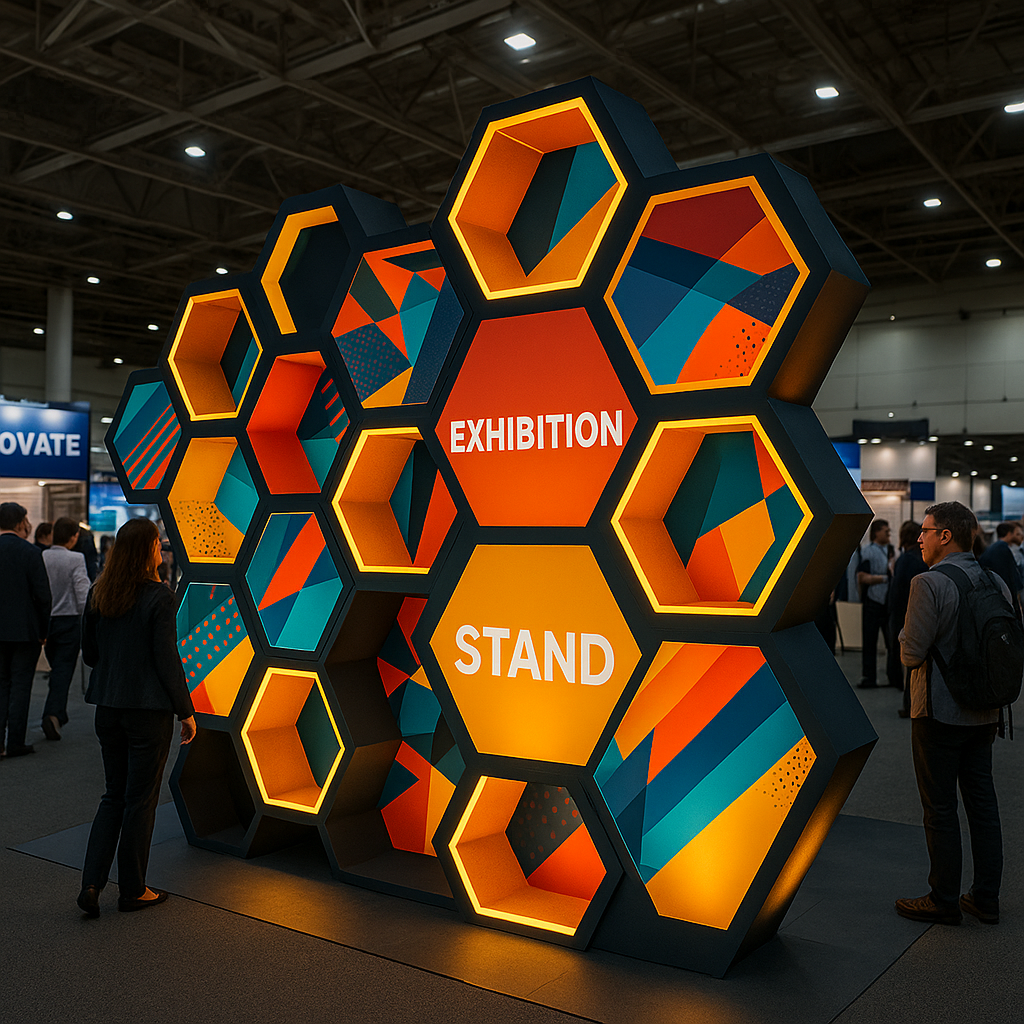
Why Honeycomb Boards Are Revolutionising Custom Exhibit Design
No Comments Yet
Let us know what you think